Laboratory Panel
Complete Metabolic Panel (CMP)
A Simple Blood Test That Provides a Big Picture of Your Health
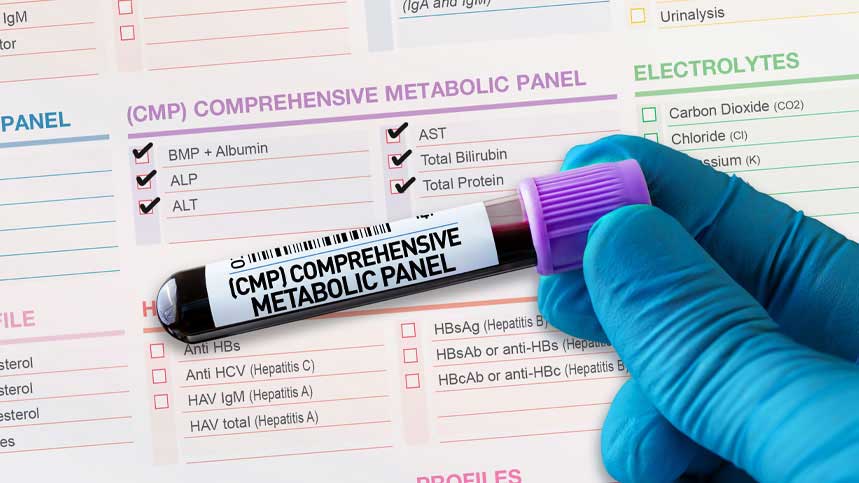
A Complete Metabolic Panel (CMP) is one of the most common and valuable blood tests your healthcare provider may recommend. Often included as part of your annual wellness exam, this comprehensive test evaluates several important aspects of your health—including your liver, kidneys, blood sugar, electrolyte balance, and more.
By measuring multiple markers in a single blood sample, a CMP gives your provider a broad overview of how your body is functioning and can help identify potential health concerns before they become more serious.
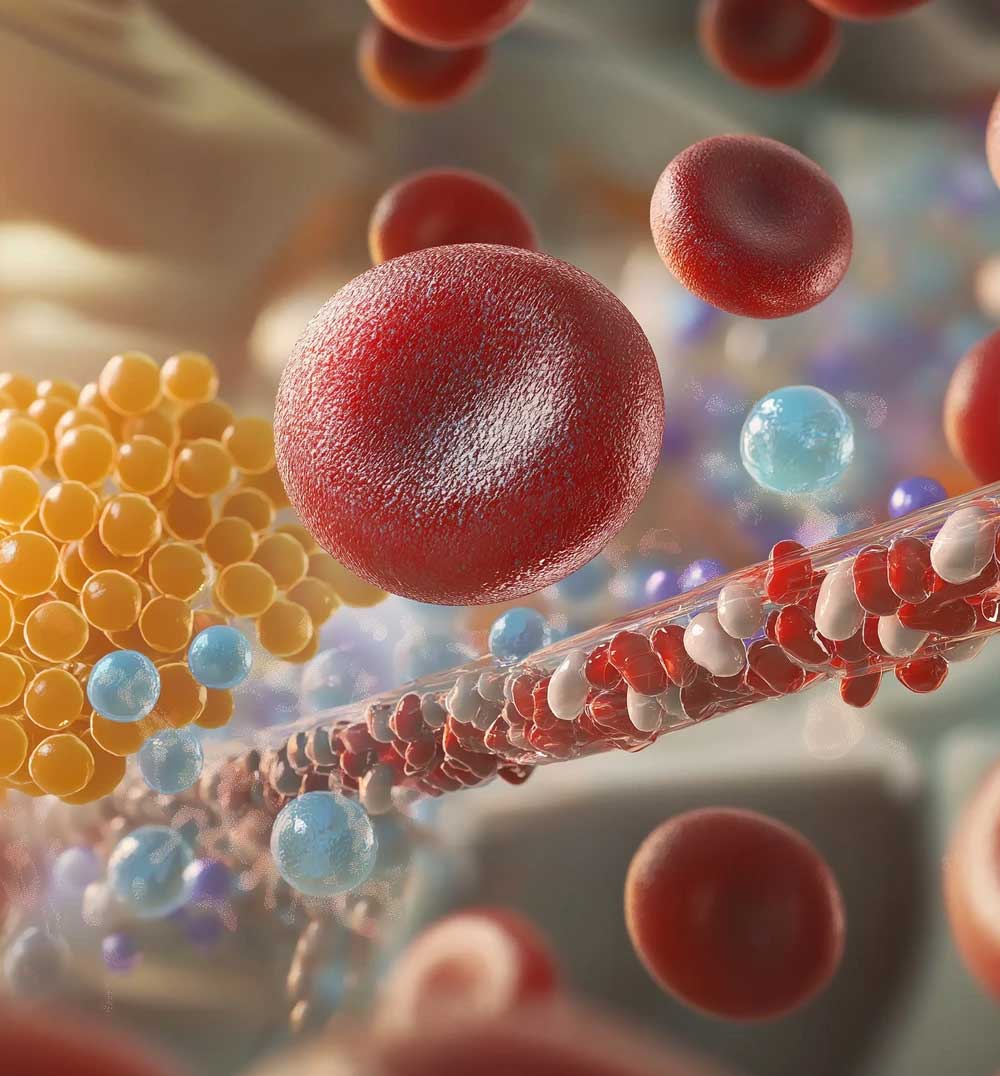
Why You May Need a CMP
Your provider may recommend a Complete Metabolic Panel during your routine checkup or if you're experiencing symptoms that require further evaluation. It is also commonly used to monitor ongoing medical conditions and assess how well certain treatments are working.
A CMP is especially helpful for individuals with or at risk for:

Type 2 diabetes

Kidney disease

Liver disease

Hypertension
While a CMP doesn't usually diagnose a specific condition on its own, it provides valuable information that helps your provider determine whether additional testing or treatment is needed.
What Does a CMP Measure?
A Complete Metabolic Panel includes 14 different blood tests, each offering insight into your overall health. Looking at these results together allows your provider to identify patterns that may indicate underlying medical conditions.

Protein Levels
Proteins play an essential role in maintaining healthy tissues and supporting many body functions.
Albumin
- A protein made by the liver that helps transport hormones, vitamins, and medications throughout the body.
- Can provide important information about liver function and nutritional health.
Total Protein
- Measures the combined amount of proteins in your blood.
- Helps evaluate overall health and may indicate liver, kidney, or nutritional concerns.

Electrolytes
Electrolytes help regulate hydration, muscle function, nerve signals, and your body's acid-base balance.
Sodium
- Helps control fluid balance and supports normal nerve and muscle function.
- Abnormal levels may be associated with dehydration, fluid retention, or blood pressure changes.
Potassium
- Essential for healthy heart rhythm, muscle contractions, and nerve function.
- Levels that are too high or too low may signal kidney disease or other medical conditions.
Carbon Dioxide (CO₂)
- Helps maintain the body's acid-base (pH) balance.
- Can provide clues about lung, kidney, or metabolic health.
Chloride
- Works with other electrolytes to maintain proper hydration and pH balance.

Kidney Function Tests
These tests help determine how well your kidneys are filtering waste from your bloodstream.
Blood Urea Nitrogen (BUN)
- Measures the amount of nitrogen waste in your blood.
- Elevated levels may indicate reduced kidney function or dehydration.
Creatinine
- A waste product produced by normal muscle activity.
- Higher-than-normal levels may suggest kidney problems and often require further evaluation.
Liver Function Tests
These markers help assess liver health and identify possible liver damage or disease.
Alkaline Phosphatase (ALP)
- An enzyme found in the liver and bones.
- Abnormal levels may indicate liver disease, bile duct problems, or certain bone disorders.
Alanine Aminotransferase (ALT)
- An enzyme primarily found in the liver.
- Elevated levels may be a sign of liver inflammation or injury.
Aspartate Aminotransferase (AST)
- An enzyme found in the liver, heart, and muscles.
- Used alongside other liver tests to evaluate liver health.
Bilirubin
- A natural waste product processed by the liver.
- High levels may indicate liver disease or conditions affecting red blood cells.

Blood Sugar
Glucose
- Measures the amount of sugar in your blood, your body's primary energy source.
- Elevated glucose levels may be associated with prediabetes or diabetes and may require additional testing.

Calcium
Calcium
- An essential mineral that supports strong bones and teeth, healthy muscles, proper nerve function, and a normal heartbeat.
- Abnormal levels can be linked to several medical conditions affecting the bones, kidneys, or hormone balance.
Why Regular CMP Testing Matters
Many health conditions develop gradually and may not cause noticeable symptoms in their early stages. A Complete Metabolic Panel can help detect changes in your body's chemistry before problems become more serious, allowing your healthcare provider to recommend timely treatment or lifestyle changes.
Regular CMP testing can help:
- Monitor your overall health
- Detect early signs of liver or kidney disease
- Evaluate blood sugar levels
- Check electrolyte and fluid balance
- Track chronic conditions over time
- Assess the effectiveness of ongoing treatment
Better Insights for Better Health
At MediBridgeMD, preventive care is an important part of helping you stay healthy. A Complete Metabolic Panel provides valuable information about how your body is functioning and helps your healthcare provider make informed decisions about your care.
Combined with regular checkups and personalized medical guidance, this simple blood test can play an important role in protecting your long-term health and well-being.